ALL TYPE OF PLASTIC MATERIALS
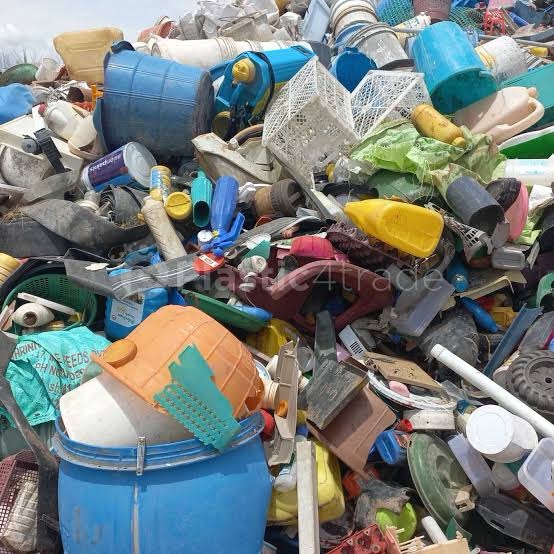
1. Types of Plastic Bottles
- PET (Polyethylene Terephthalate): Commonly used for beverage and food containers.
- HDPE (High-Density Polyethylene): Used for bottles like milk, detergent, and shampoo containers.
- PVC (Polyvinyl Chloride): Used in some specialized bottles.
- LDPE (Low-Density Polyethylene): Used for squeeze bottles.
- PP (Polypropylene): Used in bottles for sauces, syrups, and medicine.
2. Scrap Value of Plastic Bottles
- Recycling: Plastic bottles, especially PET bottles, are valuable scrap materials due to their ease of recycling into new products. Recycled PET (rPET) can be used to produce fibers for clothing, carpets, or new containers.
- Market Prices: The price of plastic scrap can vary based on material type, cleanliness, and demand. PET typically has the highest scrap value.
3. Recycling Process
- Collection: Plastic bottles are collected from households, commercial establishments, and recycling centers.
- Sorting: Bottles are sorted by resin type (PET, HDPE, etc.), as different plastics are processed separately.
- Cleaning: Bottles are cleaned to remove any contaminants like labels, caps, or leftover liquids.
- Shredding: The bottles are shredded into small pieces to facilitate the recycling process.
- Melting and Repurposing: The shredded plastic is melted down and can be used to create new products.
4. Environmental Impact of Plastic Bottle Waste
- Pollution: If not recycled properly, plastic bottles can take hundreds of years to decompose, causing significant environmental harm.
- Microplastics: When plastic bottles break down in the environment, they can turn into microplastics, which are harmful to marine life and ecosystems.
5. Waste Management and Recycling Infrastructure
- Collection Programs: Many regions have specialized curbside collection programs or drop-off locations for plastic bottles.
- Innovations: Advances in chemical recycling and upcycling technologies aim to further improve the efficiency of plastic bottle recycling.
6. Selling Plastic Bottle Scrap
- Plastic bottles are sold to recycling facilities or scrap dealers, where they are processed and resold as raw material for new products.
- It’s important that the bottles are cleaned and sorted to maximize their value in the recycling market.
7. Key Points for Sellers
- Cleanliness: Clean, uncrushed plastic bottles yield a higher price.
- Bulk: Selling in larger quantities generally leads to better rates for scrap plastic.
Would you like more information on how to dispose of or sell plastic bottle scrap?
 ScrapBrothers.com
Leave a comment